+166% Revenue Lift: Highlighting Value over Price
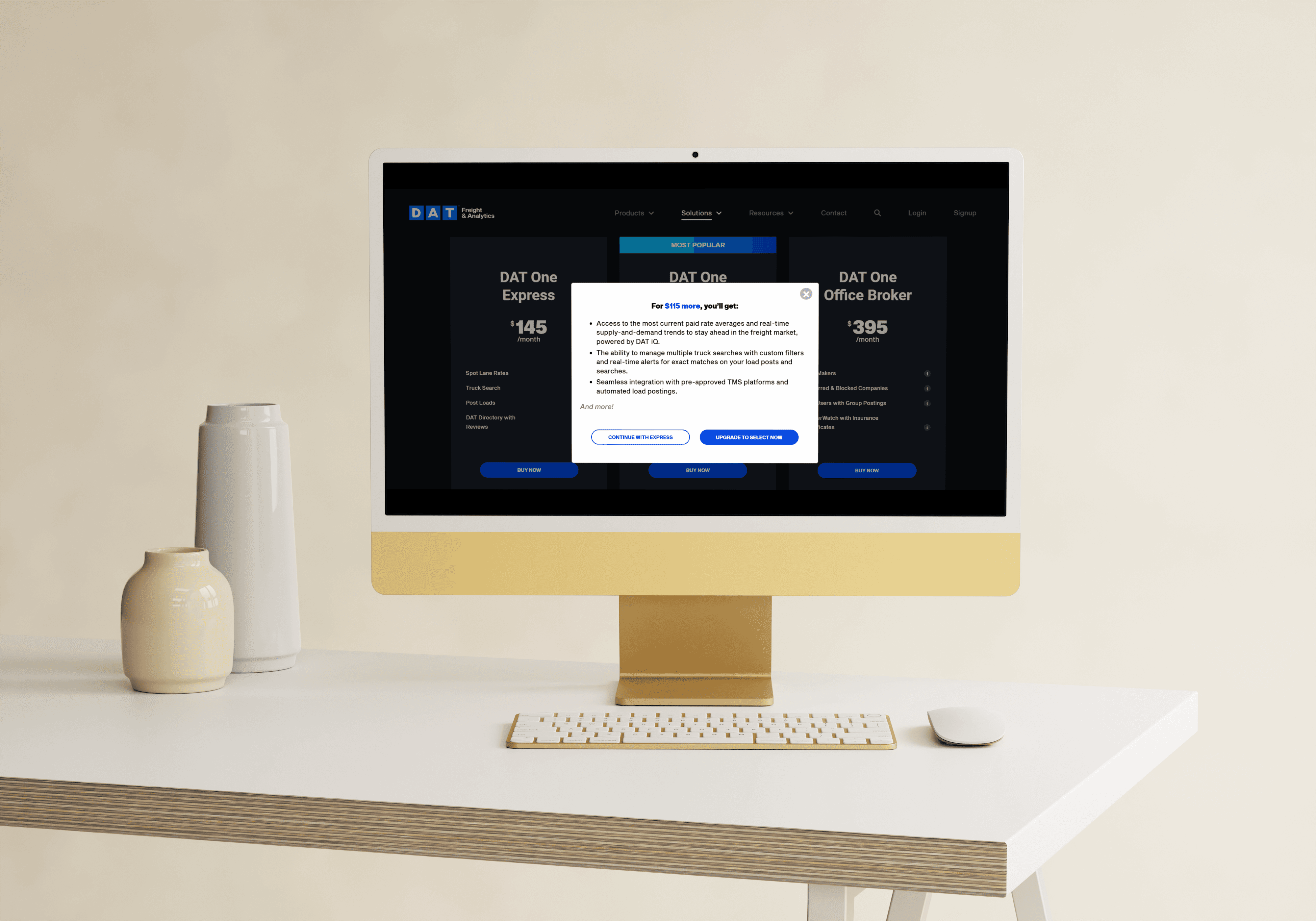
A strategic redesign of the pricing grid hierarchy. By injecting contextual pop-ups and emphasizing higher-tier feature benefits, we shifted the plan mix and generated $30k+ in monthly incremental revenue.
Role
Lead Product Designer & Growth Strategist
Impact
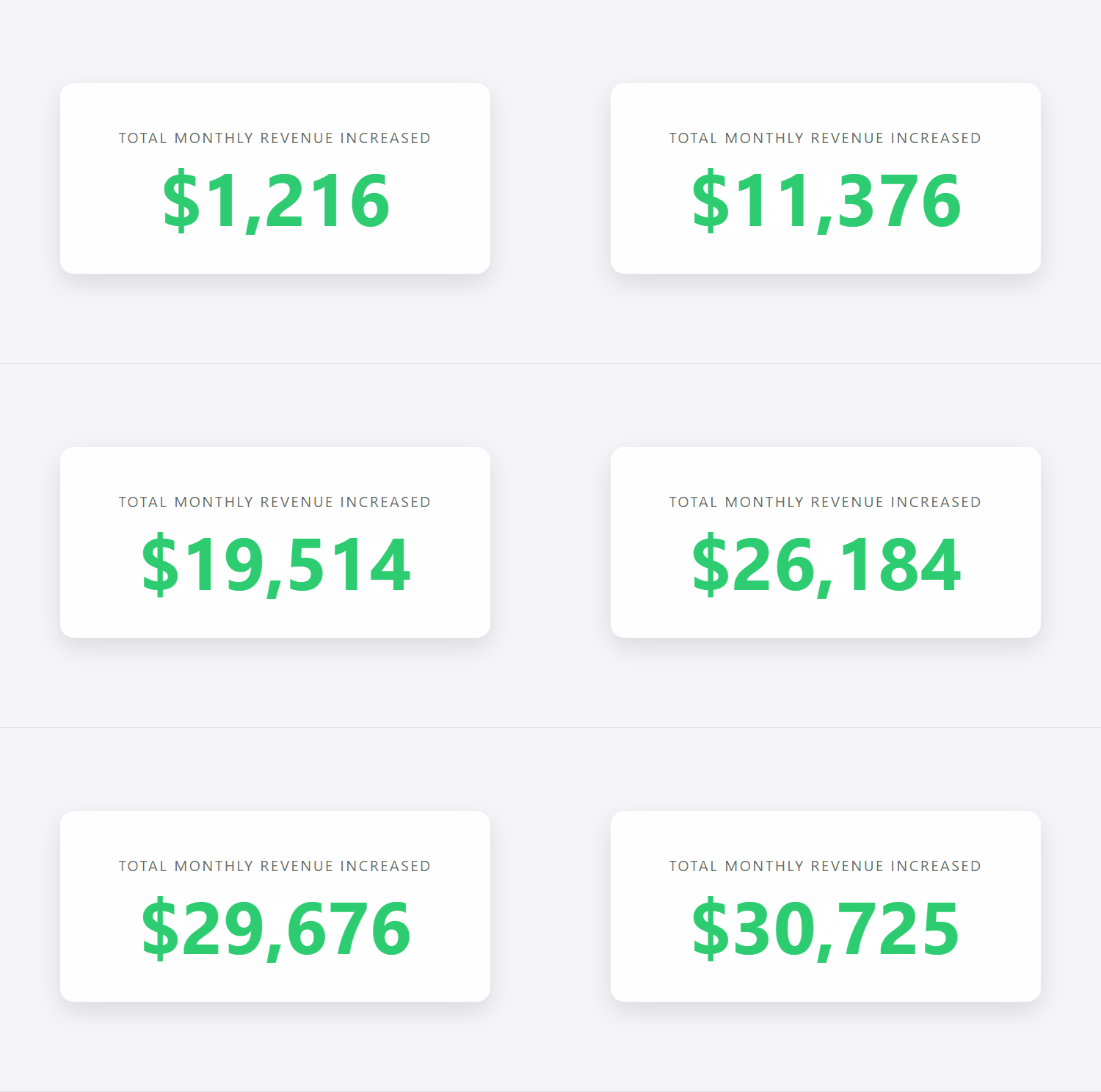
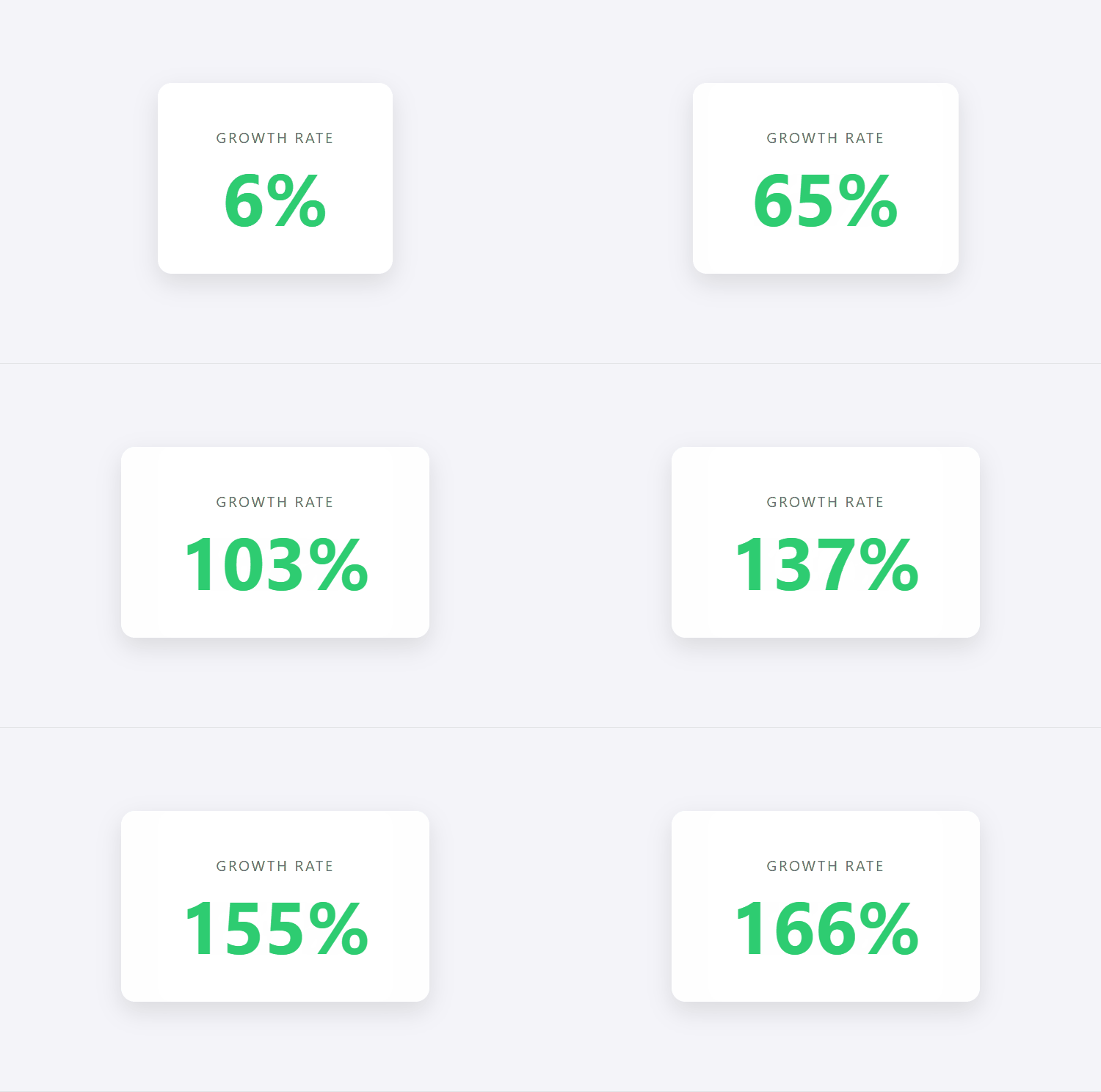
+166% Incremental Revenue, $30,725 Monthly MRR Boost
Project Overview & Impact
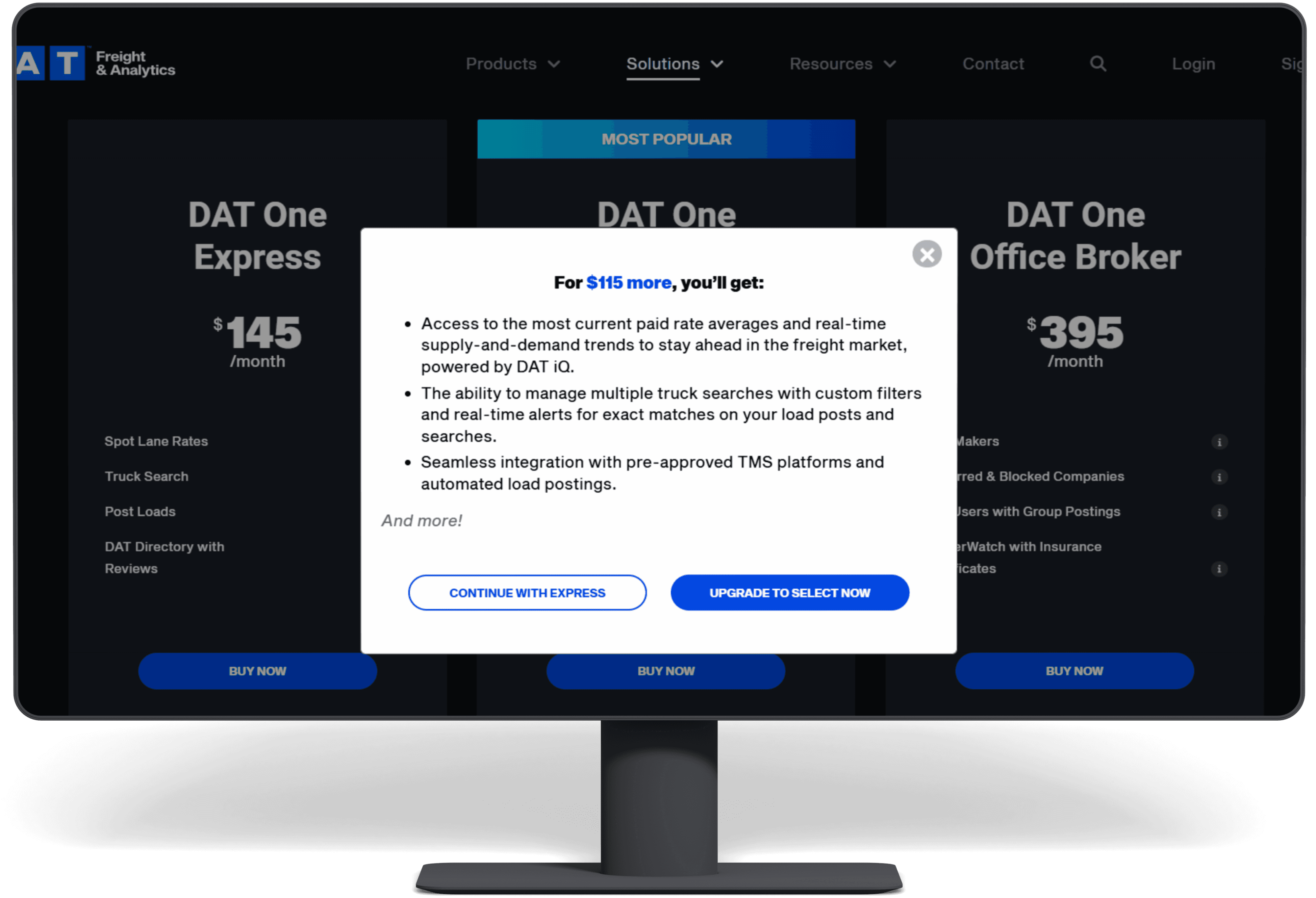
The objective was to shift the "Plan Mix" for the Broker segment from entry-level tiers to higher-value packages. By introducing interviewer-led pop-ups and visual feature-anchoring on the pricing grid, I helped users visualize the ROI of upgrading at the exact moment of decision. This experiment resulted in a massive 166% revenue lift for the segment.
The Business Problem
The "Cheapest Option" Bias: Most new brokers were defaulting to the Express plan, even when their business needs (load volume/tracking) required the Select or Office tiers.
Information Asymmetry: The static pricing grid failed to explain the "Gap" in value between tiers; users saw the price increase but didn't clearly see the productivity gain.
Goal: Increase the adoption of higher-tier plans without increasing the overall churn rate.
The Design Hypothesis
Instead of redesigning the whole page, I implemented a surgical Behavioral Nudge strategy:
Dynamic Upsell Pop-ups: When a user hovered over or selected an entry-level plan, a targeted pop-up appeared highlighting the "Power Features" they would miss (e.g., advanced load tracking or carrier safety ratings).
Feature Anchoring: I redesigned the hierarchy of the pricing cards to emphasize the "Office" plan as the best value for growth, using visual cues to guide the eye away from the lowest price point.
Frictionless Comparison: Introduced a "Value Bridge" that allowed users to see exactly what they gained in terms of load-matching speed for every dollar spent.
Behavioral Design Strategy
Price Anchoring: Redesigned the visual hierarchy to position the 'Select' tier as the primary anchor, shifting the user’s mental price baseline and making higher-tier options feel like better value.
Strategic Loss Aversion: Implemented contextual nudges that highlighted specific business capabilities a user would forfeit by choosing the entry-level plan. By framing the decision around "avoiding missed opportunities," we successfully migrated 66% of users to higher-value tiers.
Data Validation & ROI
The variation was a clear winner, showing that users were willing to pay more when the value was communicated effectively at the point of purchase.
Metric | Result |
Incremental Revenue (Monthly) | +$30,725 |
Total Revenue Growth | +166% (Winner) |
Express to Select Upgrades | 66% of users moved up |
Select to Office Upgrades | 35% of users moved up |
Strategic Insights
Value over Price: Users aren't necessarily "cheap"; they are "risk-averse." Providing a clear feature-pop-up reduced the perceived risk of paying for a higher tier.
Point-of-Sale Education: Education shouldn't happen on a separate "Features" page. It must happen on the Pricing Grid where the money is exchanged.
Revenue vs. Conversion: While the number of signups remained stable, the quality and value of those signups shifted significantly toward high-LTV (Lifetime Value) plans.

Tools & Methodology
Design: Framer & Figma (Interaction Design)
Analytics: Hotjar (to track hover-intent on the pricing grid) & GA4 Event Tracking
Experimentation: VWO (Split URL testing)
Principle: Anchoring & Loss Aversion (Behavioral Economics)
Other projects
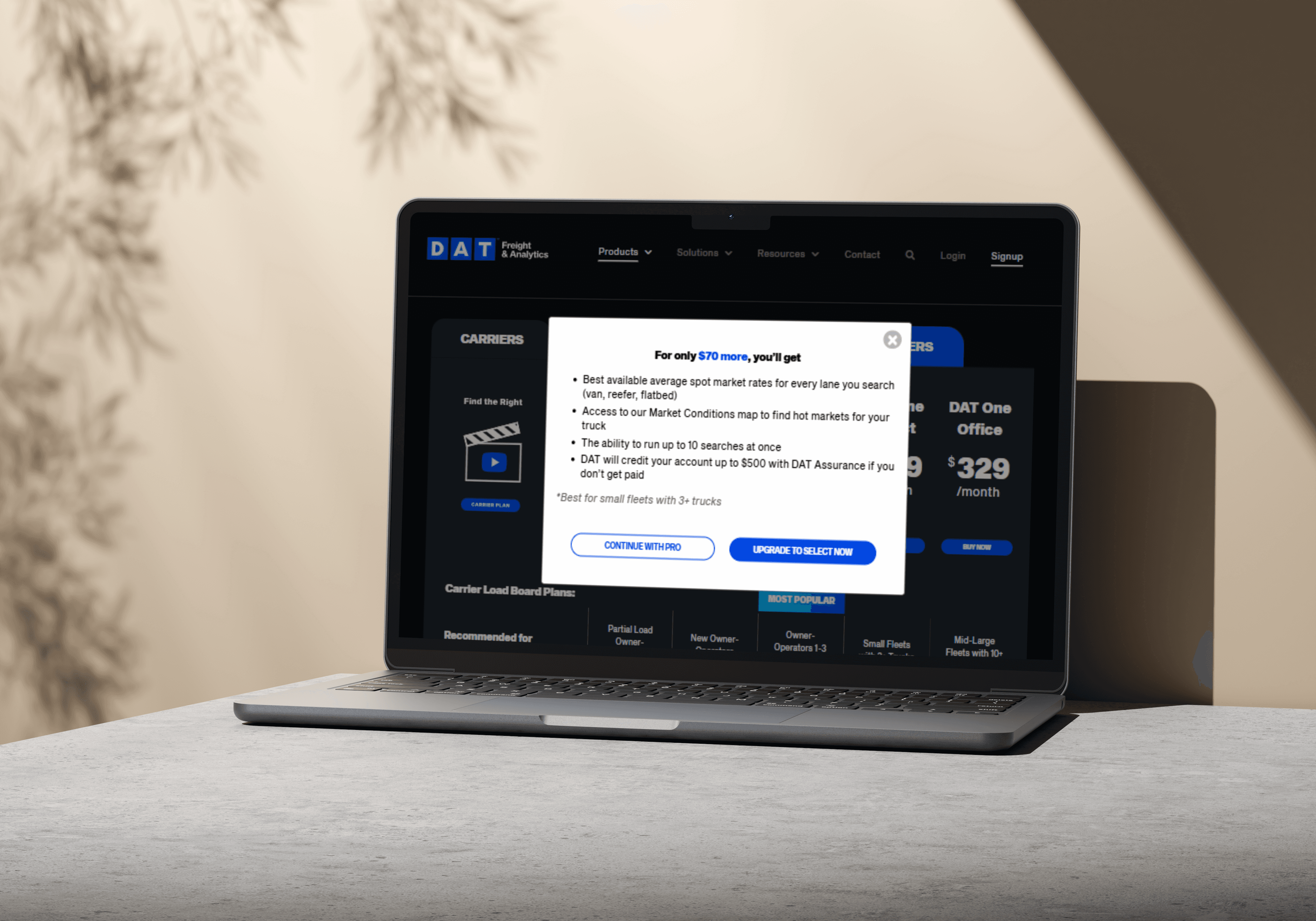
The Growth Engine: $80k MRR Carrier Upsell Strategy
Driving $321k+ in total revenue expansion by re-engineering the carrier upgrade path through contextual value-signaling and behavioral design.
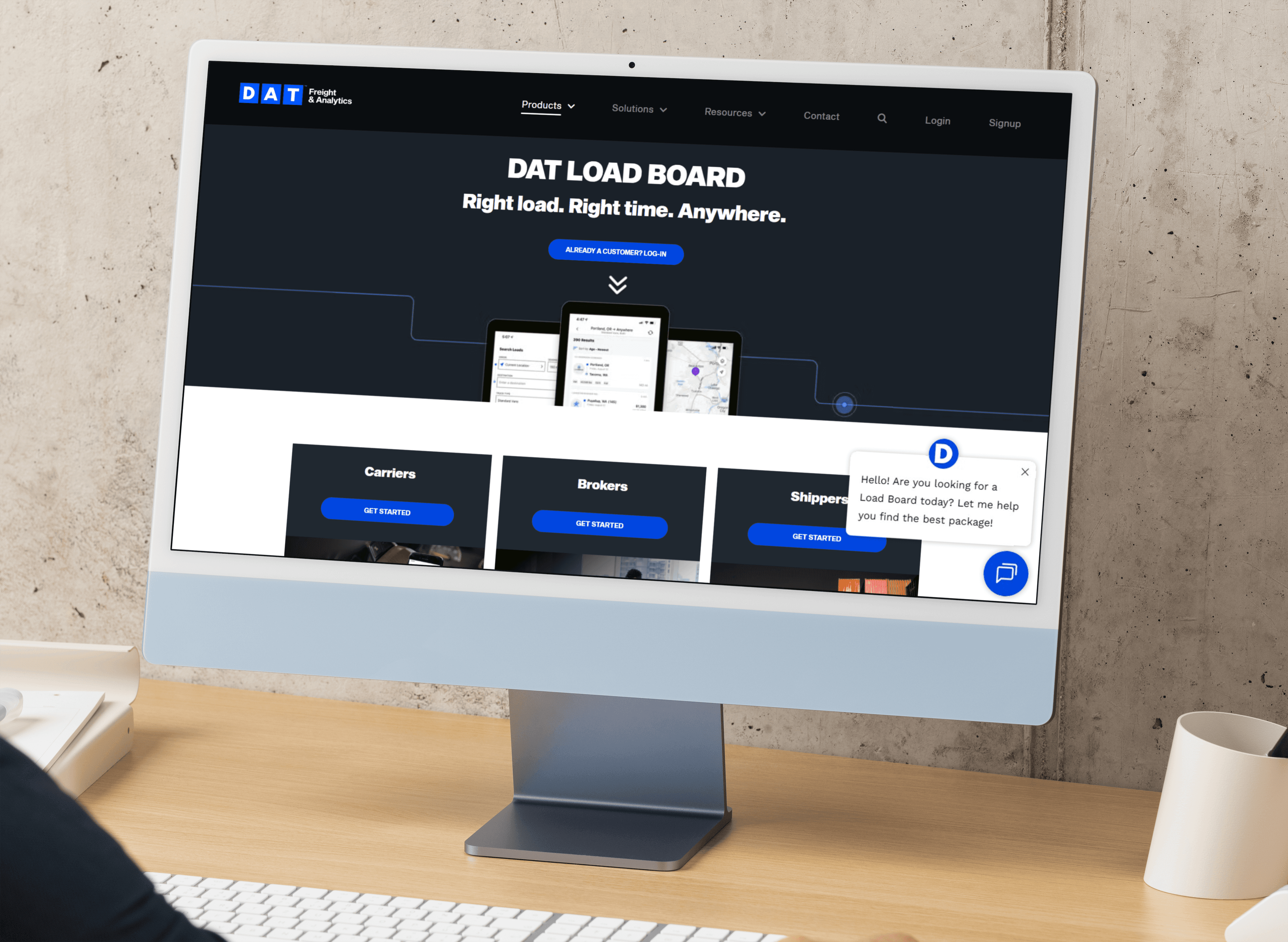
Scaling Leads by 375% via Conversational AI
An interactive package selector bot designed to reduce decision paralysis. By guiding users through a personalized funnel, I didn't just improve UX I also, exploded high-intent sales leads.
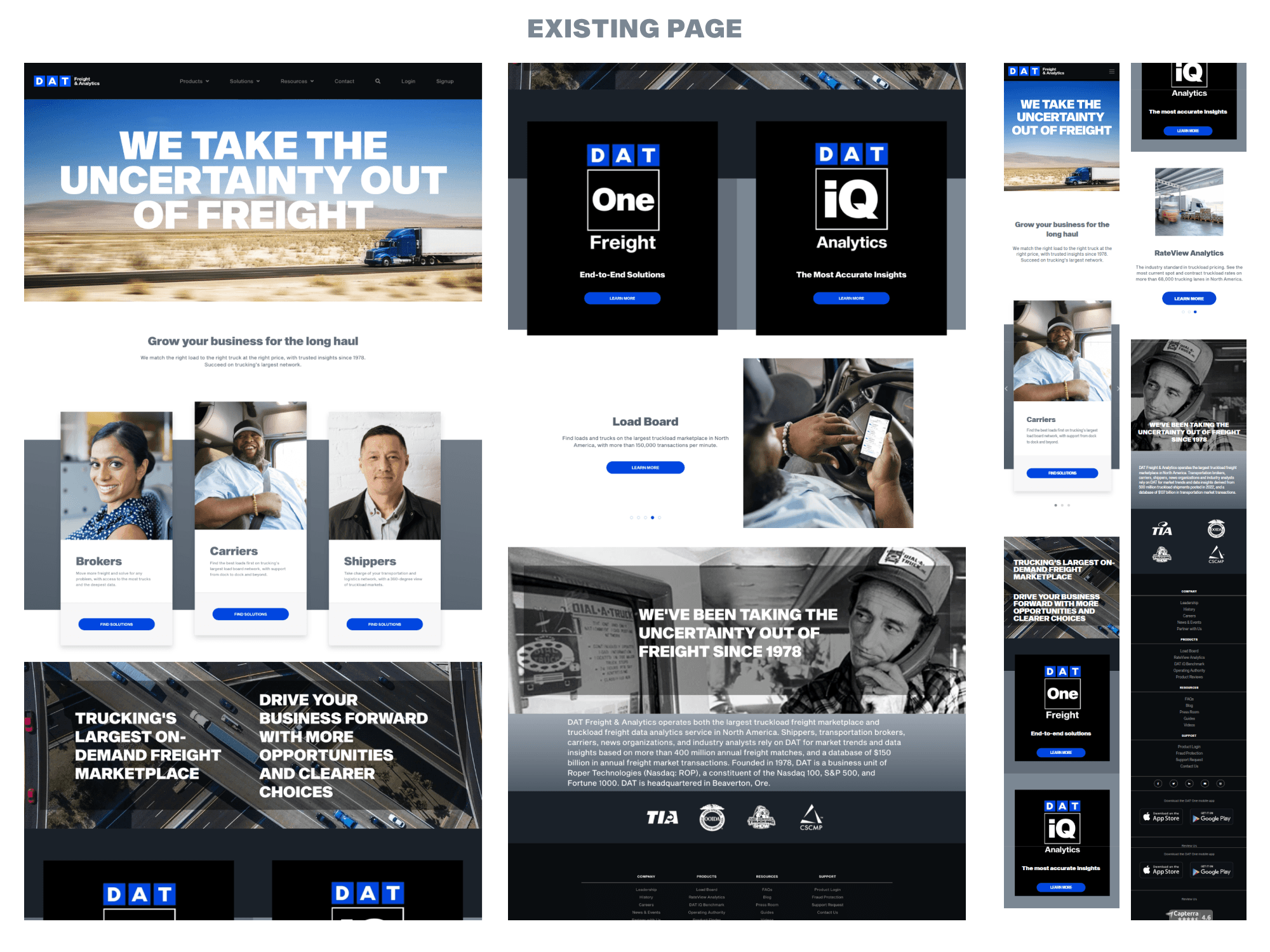
Optimizing the First Fold: A $15k/Mo Design Lift
A holistic refresh of the high-traffic landing page. By shortening headers and prioritizing segment-specific CTAs, we improved engagement across all user categories and boosted annual revenue by $180k.

World of Haiku
Beginner-friendly cybersecurity RPG