Accelerating the Path to Purchase via "Recommended" Logic
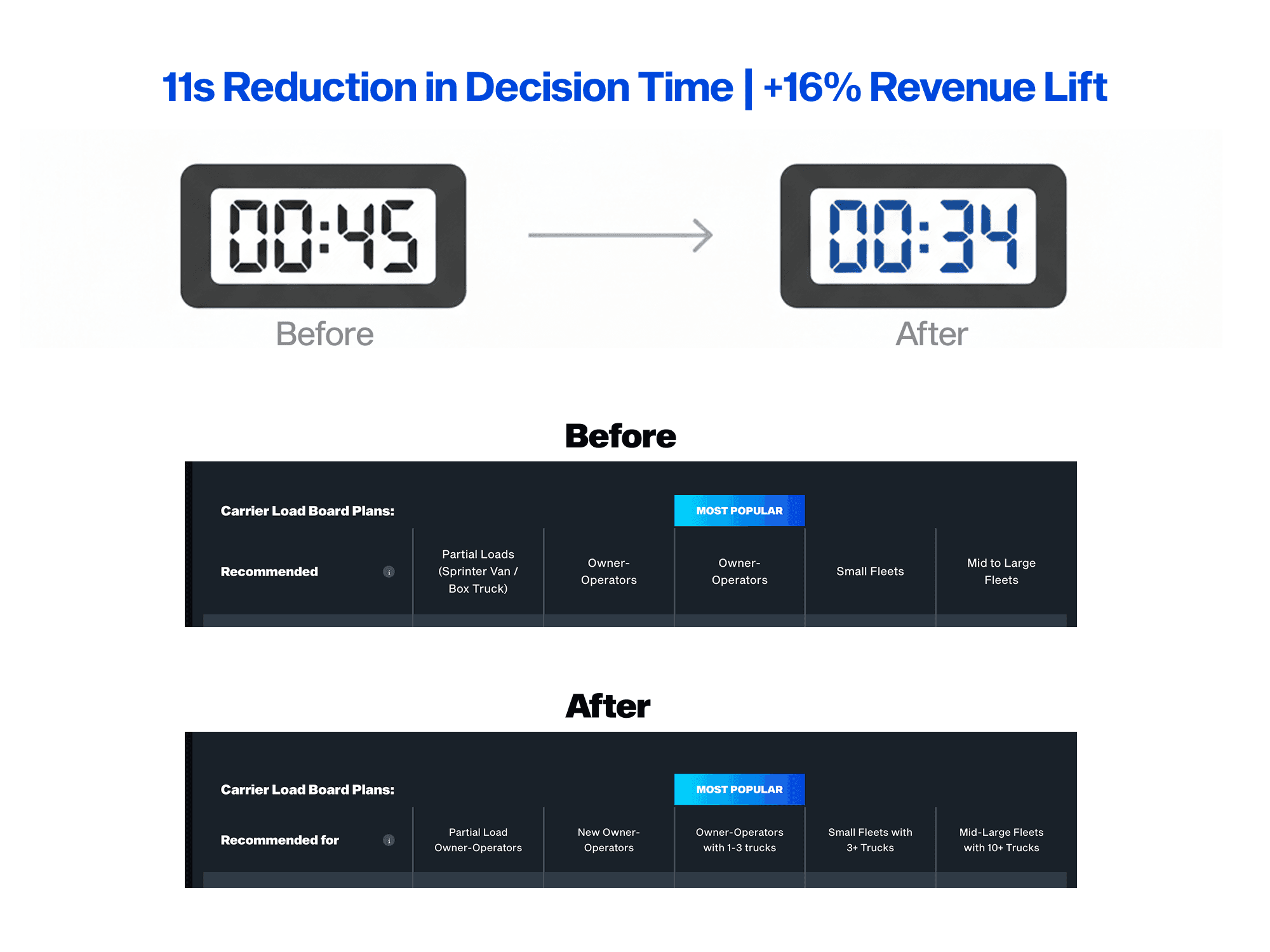
Simplifying complex carrier pricing for better plan-fit. By adding explicit carrier-size guidance, we reduced decision time by 11 seconds and drove a 16% lift in SSU (Self-Service Signup) starts.
Role
Lead Product Designer
Impact
+16% Revenue Lift, 11-Second Reduction in Time-to-Decision
Project Overview & Impact
To optimize the plan selection process for the "Carrier" segment, I implemented Guided Selling principles. By introducing business-size identifiers into the pricing grid, we eliminated the friction of manual feature comparison. This led to a 16% lift in estimated revenue and significantly accelerated the user’s journey from the pricing page to the checkout.
The Business Problem (Cognitive Friction)
Analysis of user behavior via Hotjar and GA4 revealed a significant "bottleneck" on the primary pricing page.
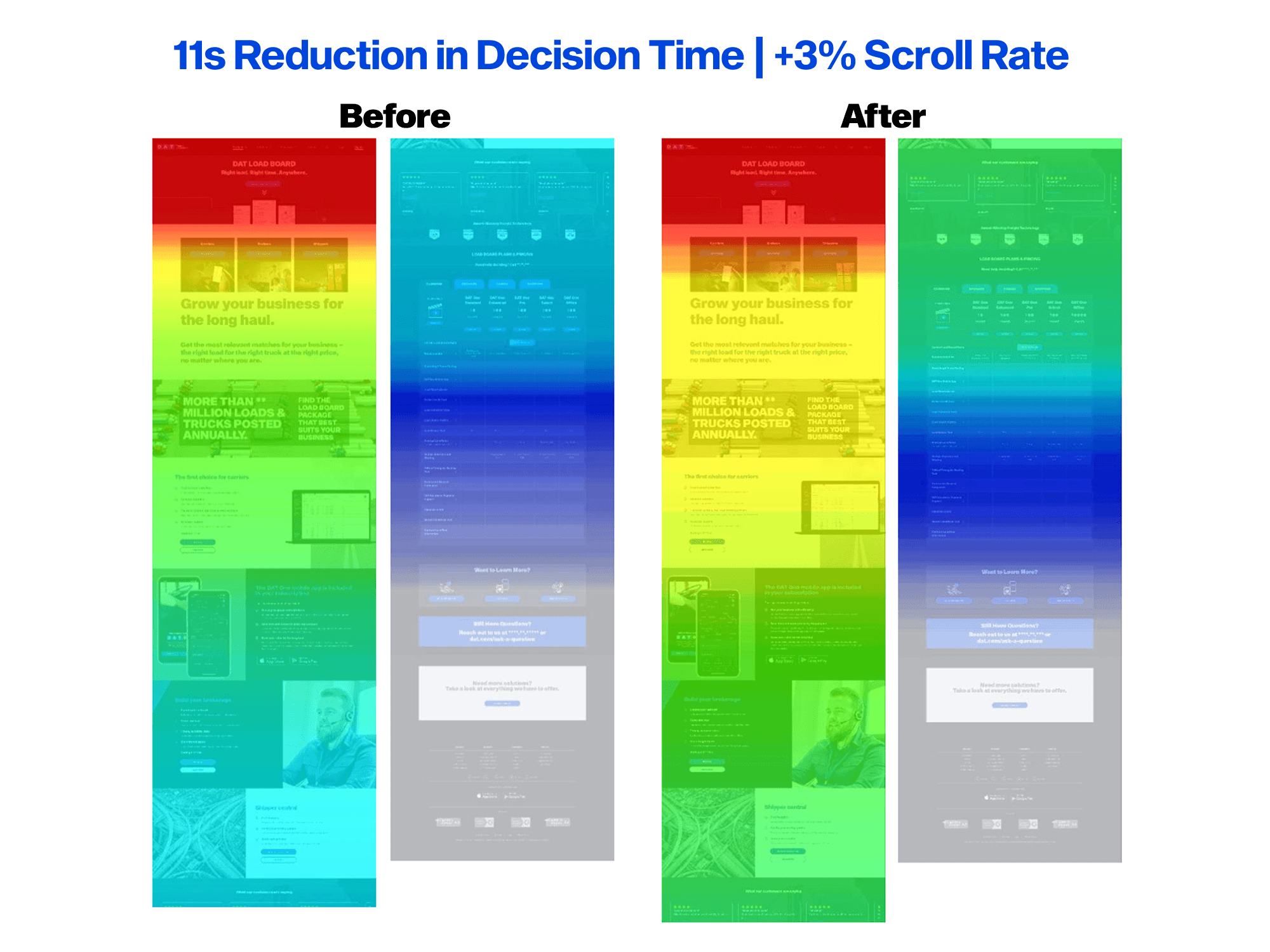
The Symptom: Users were spending an average of 45+ seconds on the grid, frequently scrolling up and down and hovering over multiple plan tooltips without clicking.
The Diagnosis: Choice Overload. Users (Trucking Owner-Operators vs. Fleet Owners) couldn't immediately identify which plan was built for their specific scale. The cognitive effort required to compare 20+ line items was causing "Analysis Paralysis."
The Design Hypothesis (Choice Architecture)
Hypothesis: If we simplify the mental model by adding explicit "Carrier-Type" callouts (e.g., "1-5 Trucks" vs. "Growing Fleets"), then we will reduce the cognitive load, leading to faster confidence in plan selection and higher conversion rates.
The Strategy: Guided Selling
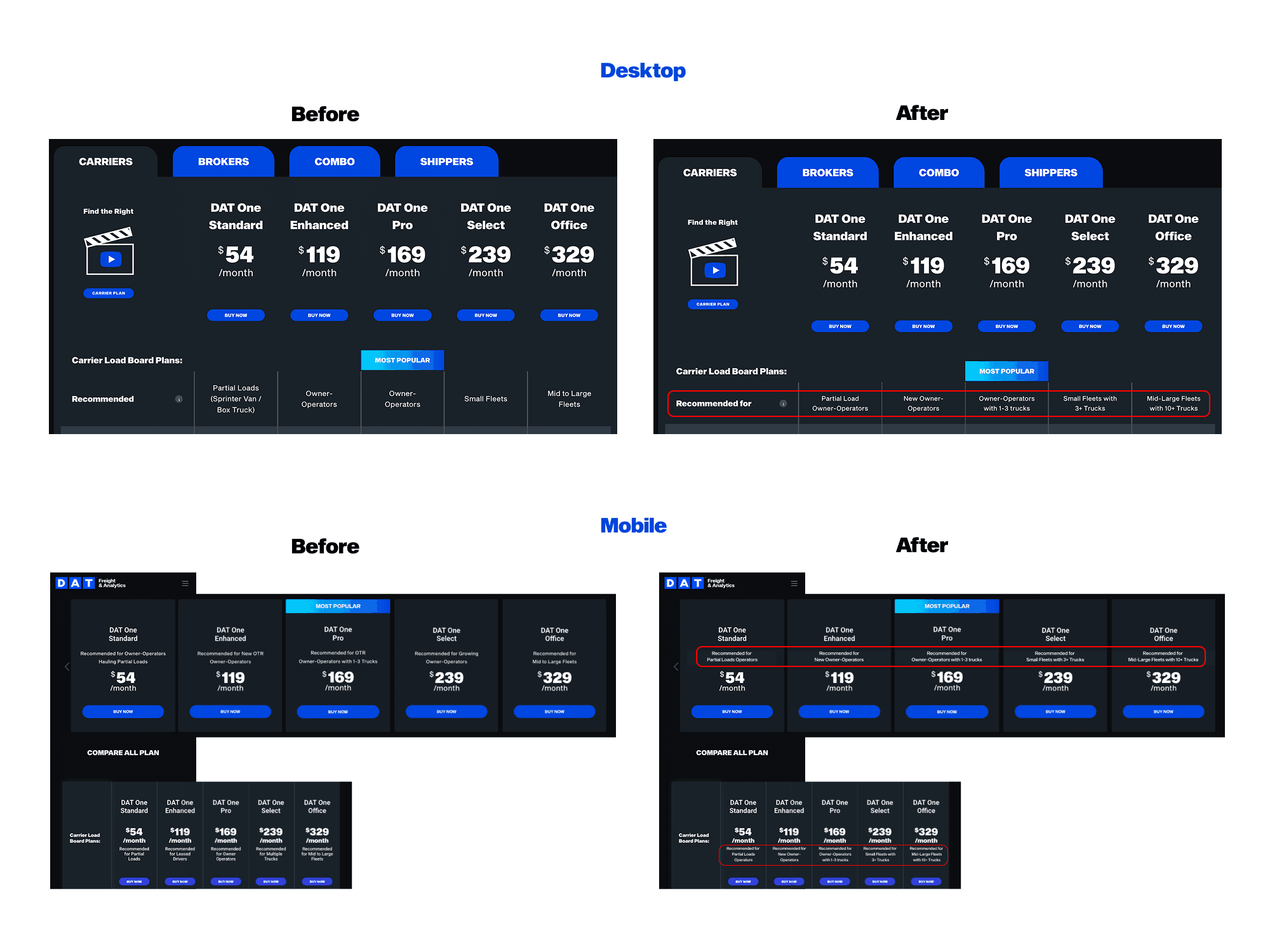
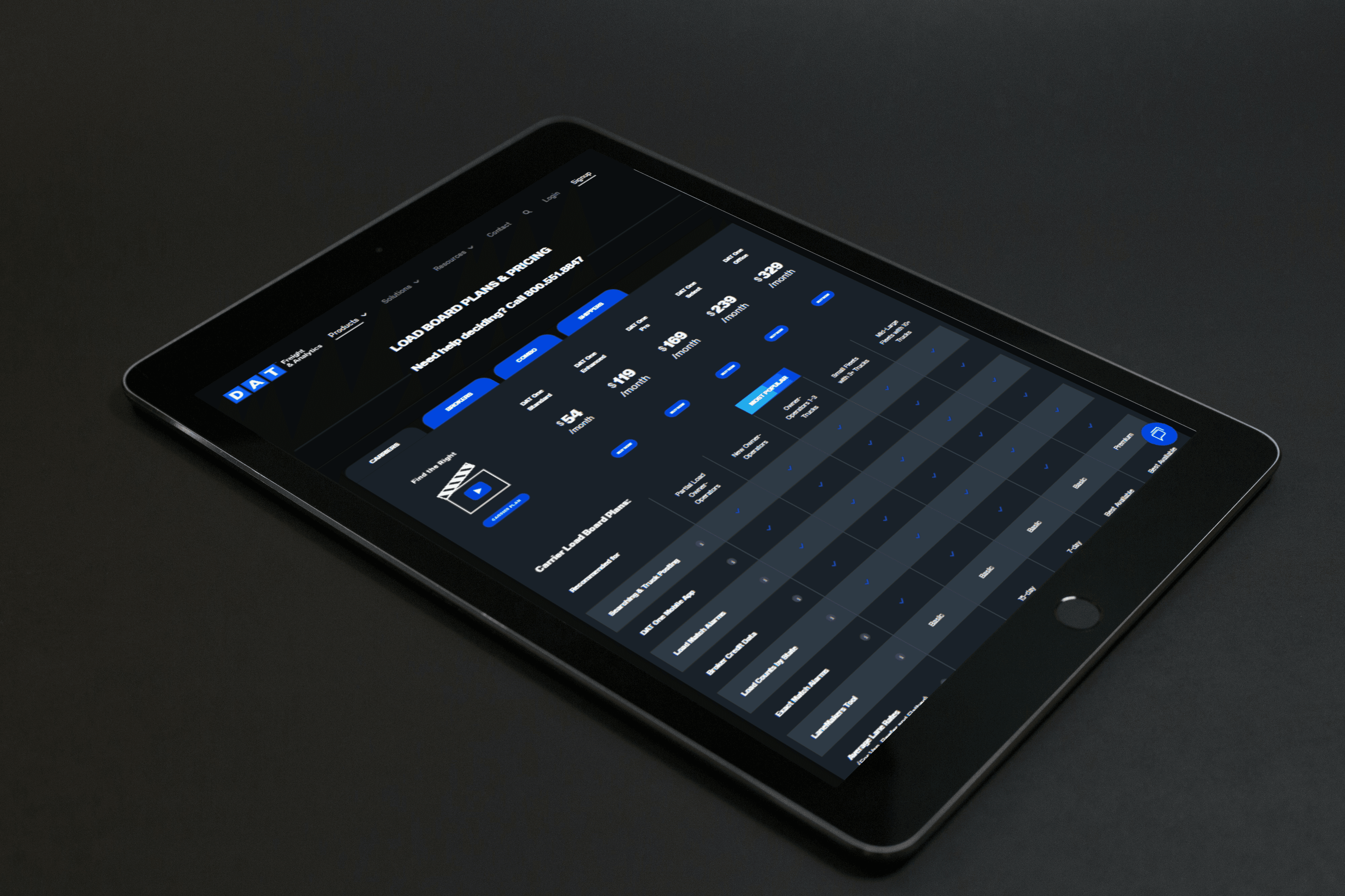
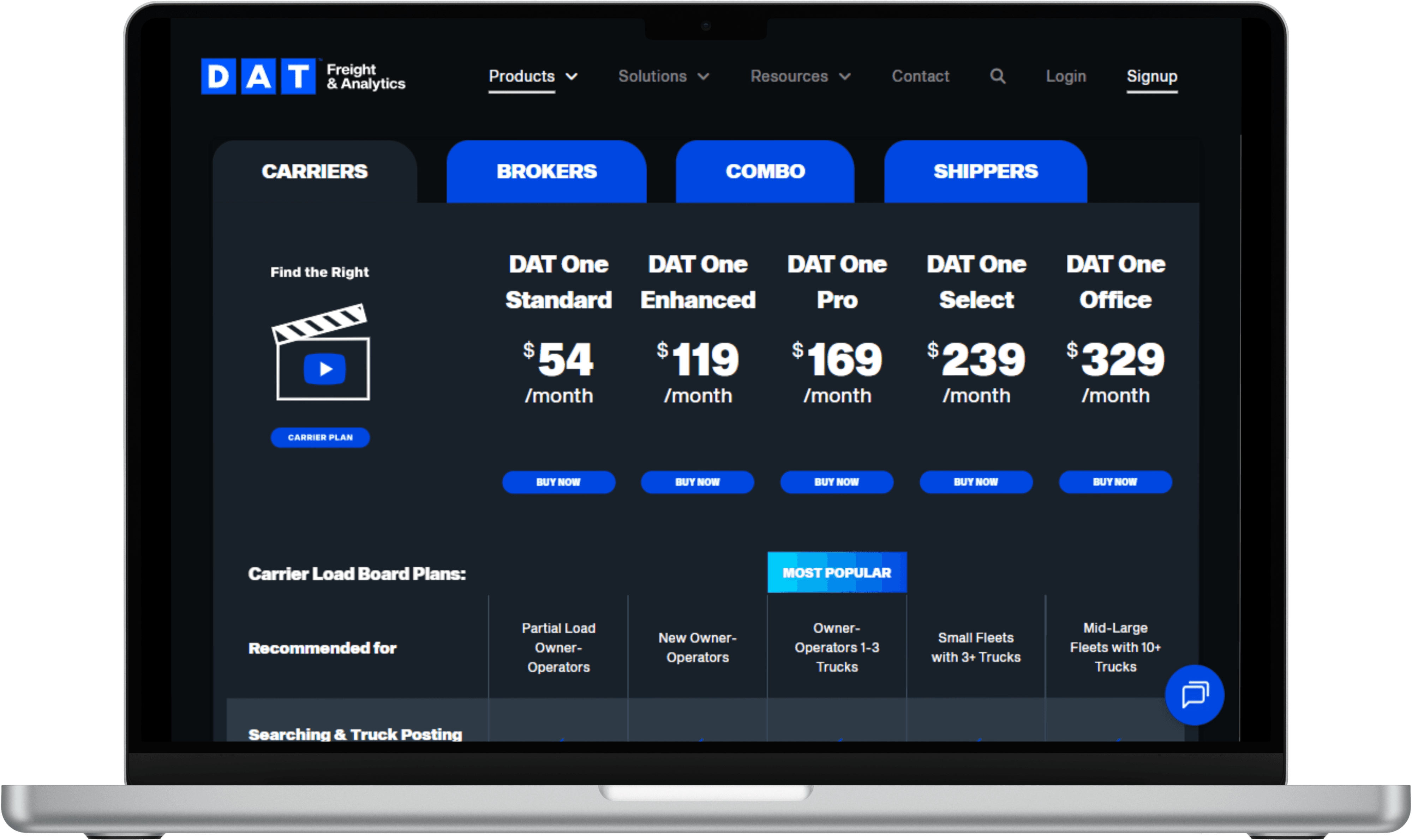
Direct Labeling: I added a "Recommended For" row at the very top of the grid, the primary focal point.
Segment Alignment: Instead of technical jargon, I used business-scale language (e.g., "Standard," "Pro," "Select") paired with fleet-size identifiers.
Visual Anchoring: Highlighted the "best fit" plan for the majority of traffic using a subtle visual lift (shadow and "Most Popular" badge) to provide social proof.
Data Validation & ROI
The experiment was a statistically significant winner, proving that "less thinking" leads to "more buying."
Metric | Result |
Time-on-Page (Decision Speed) | -11 Seconds (Faster) |
Conversion (Revenue Lift) | +16.03% Increase |
User Engagement | +9% Increase in "Start Signup" clicks |
Confidence Score | 98% Statistical Significance |
Strategic Insights: The "Cognitive Load" Factor
Clarity Overcomes Complexity: In a technical industry like logistics, users don't want to be "experts" in your pricing; they want you to be the expert for them.
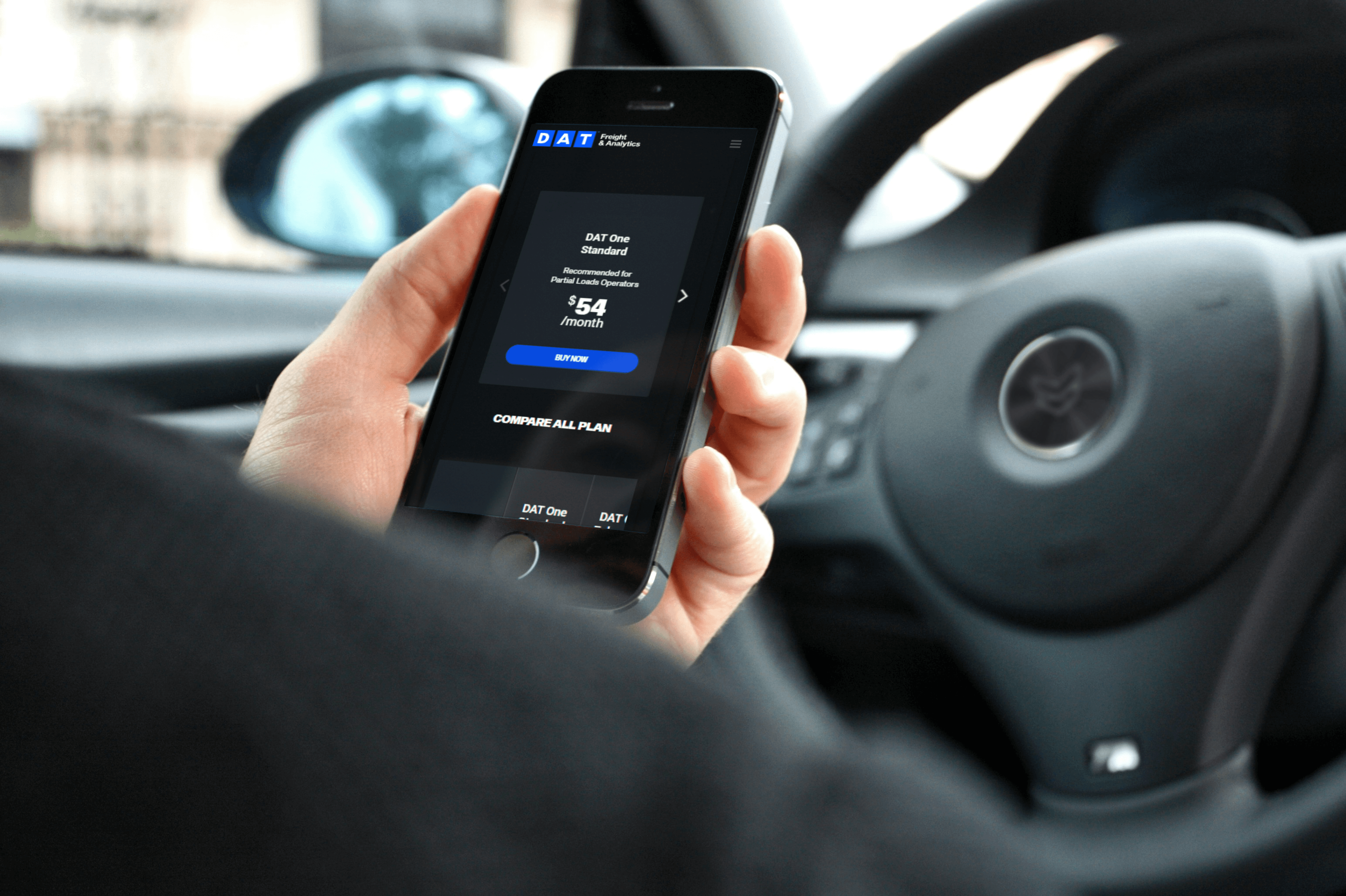
Mobile Optimization: On mobile devices, where users can't see the full grid at once, the "Recommended For" labels acted as a vital navigation shortcut, preventing excessive scrolling.
Scalability: This "Guided Selling" framework is now being used as the blueprint for the Broker and Shipper segment redesigns.
Tools & Methodology
Design: Figma (Systematic Component Design)
Analytics: Hotjar (Session Recordings) & GA4 (Event Tracking)
Experimentation: VWO (A/B Testing)
Psychology Principle: Cognitive Load Reduction, Minimizing the mental effort required to process information.
Other projects
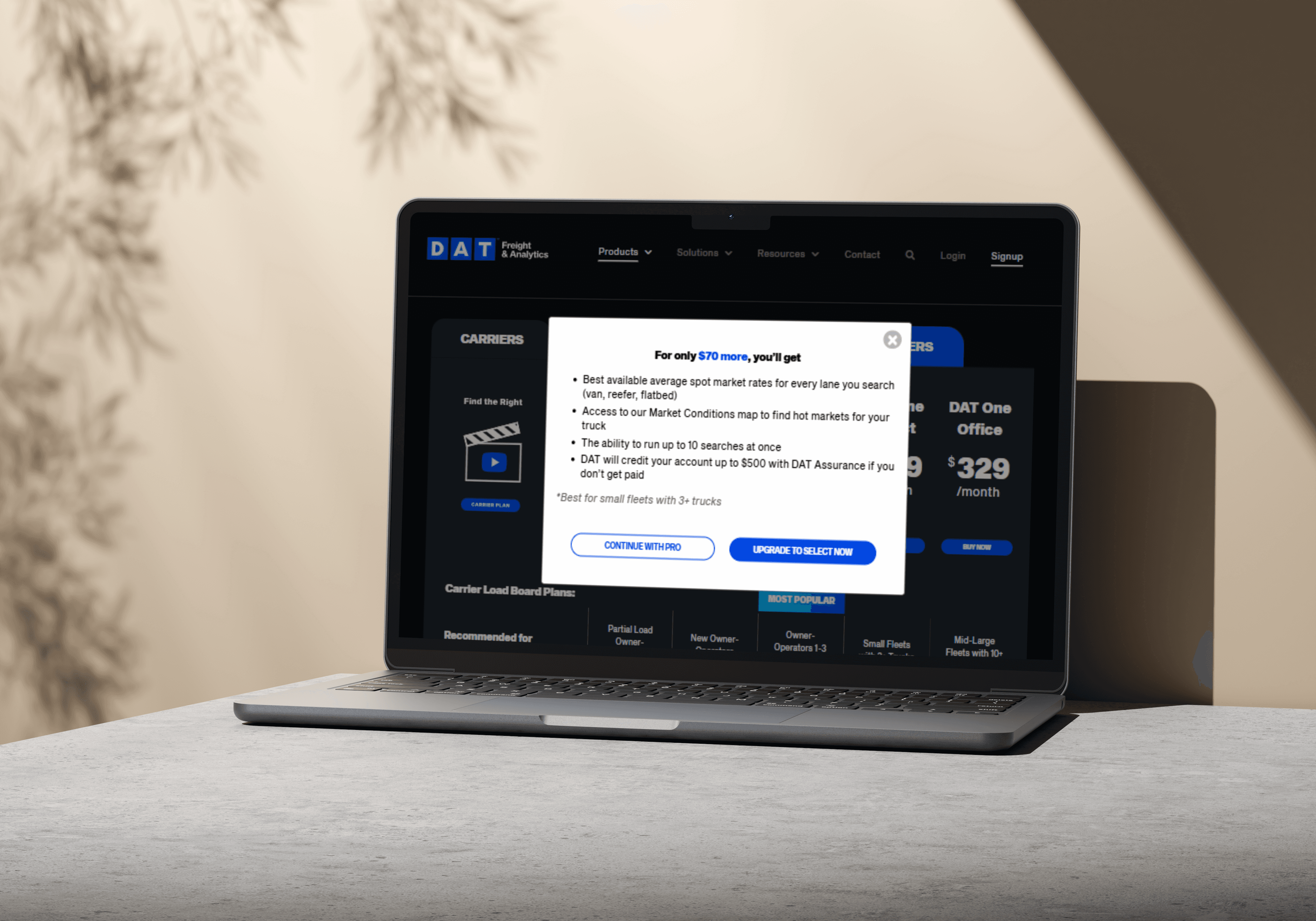
The Growth Engine: $80k MRR Carrier Upsell Strategy
Driving $321k+ in total revenue expansion by re-engineering the carrier upgrade path through contextual value-signaling and behavioral design.
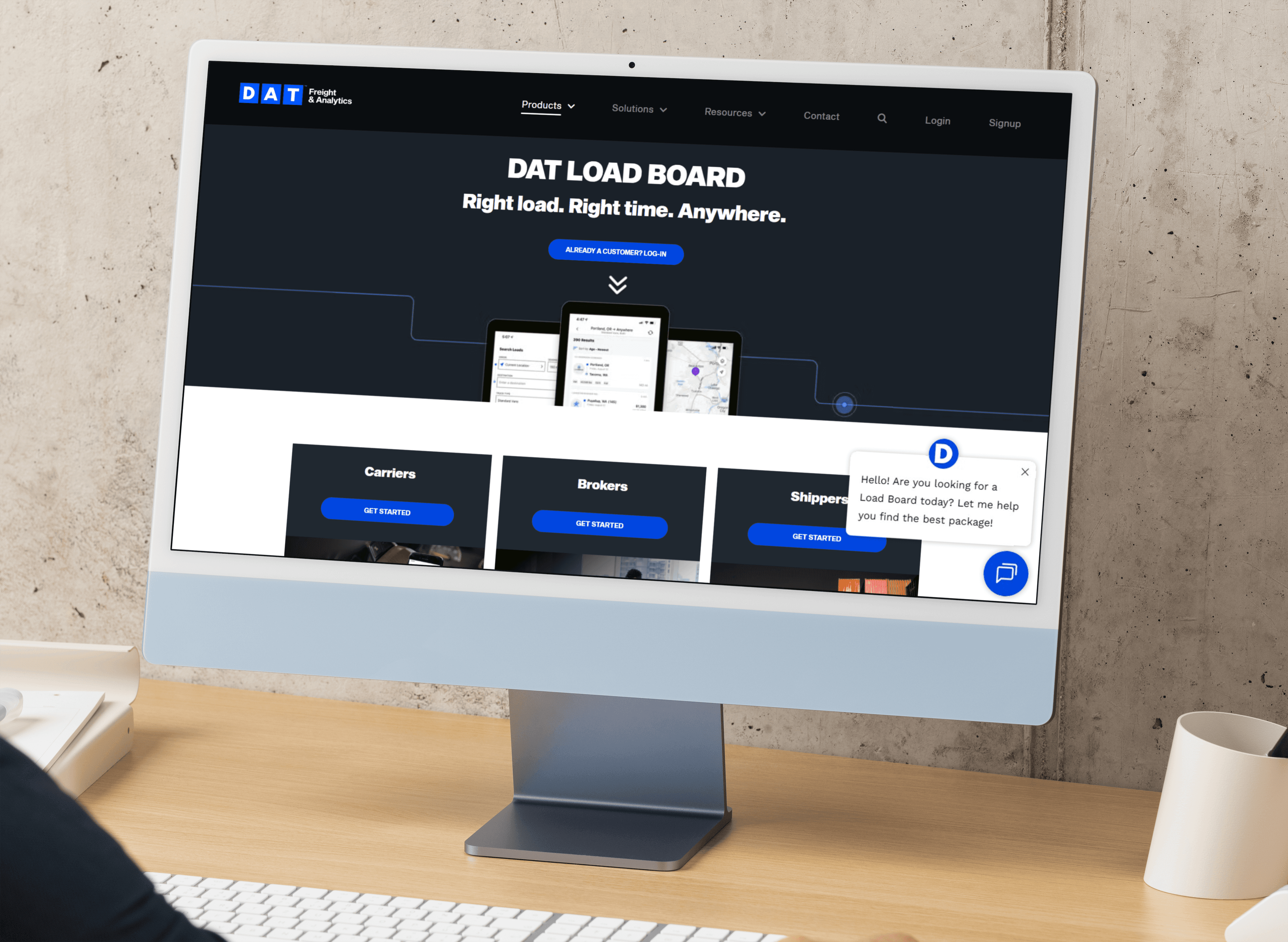
Scaling Leads by 375% via Conversational AI
An interactive package selector bot designed to reduce decision paralysis. By guiding users through a personalized funnel, I didn't just improve UX I also, exploded high-intent sales leads.
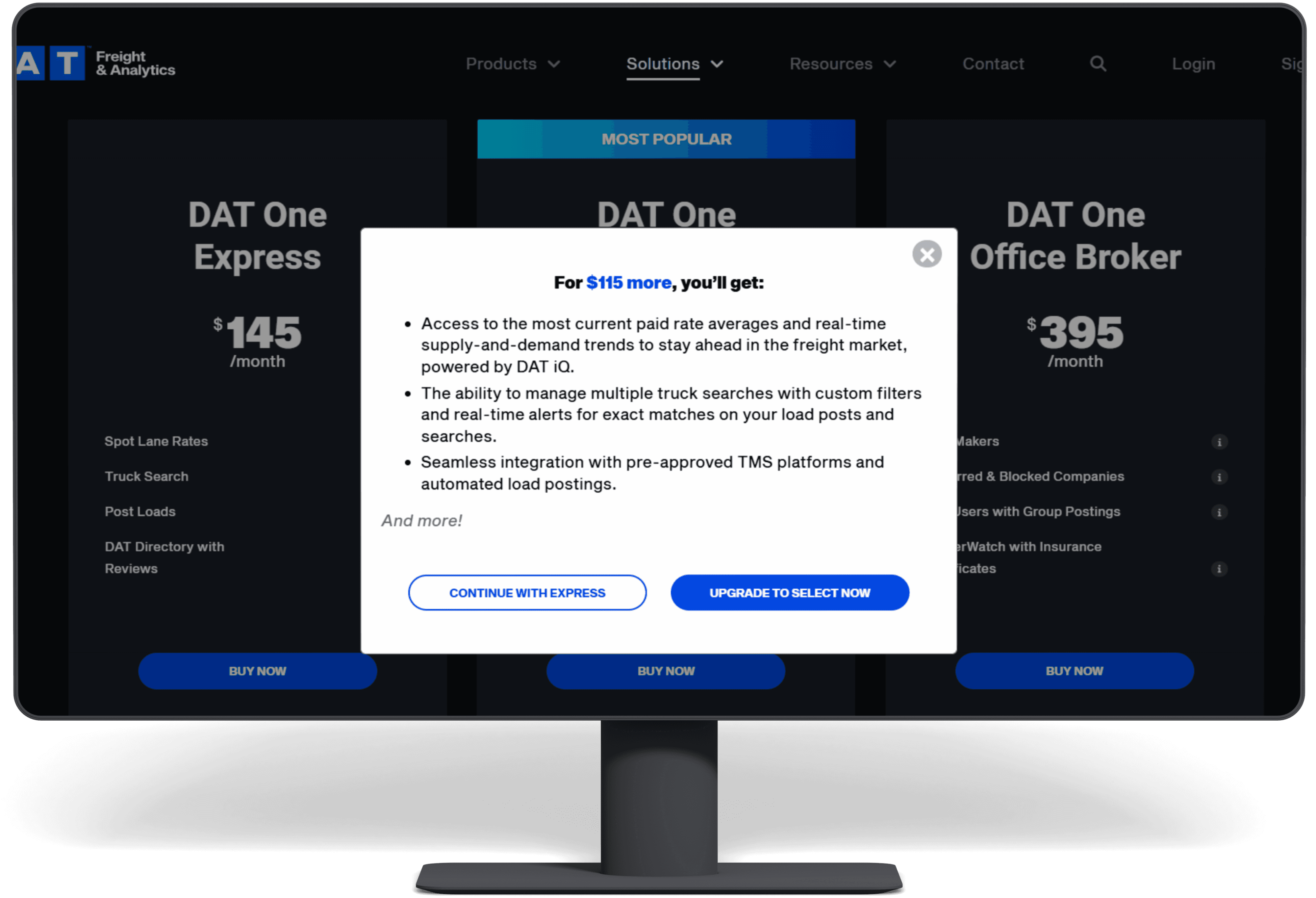
+166% Revenue Lift: Highlighting Value over Price
A strategic redesign of the pricing grid hierarchy. By injecting contextual pop-ups and emphasizing higher-tier feature benefits, we shifted the plan mix and generated $30k+ in monthly incremental revenue.
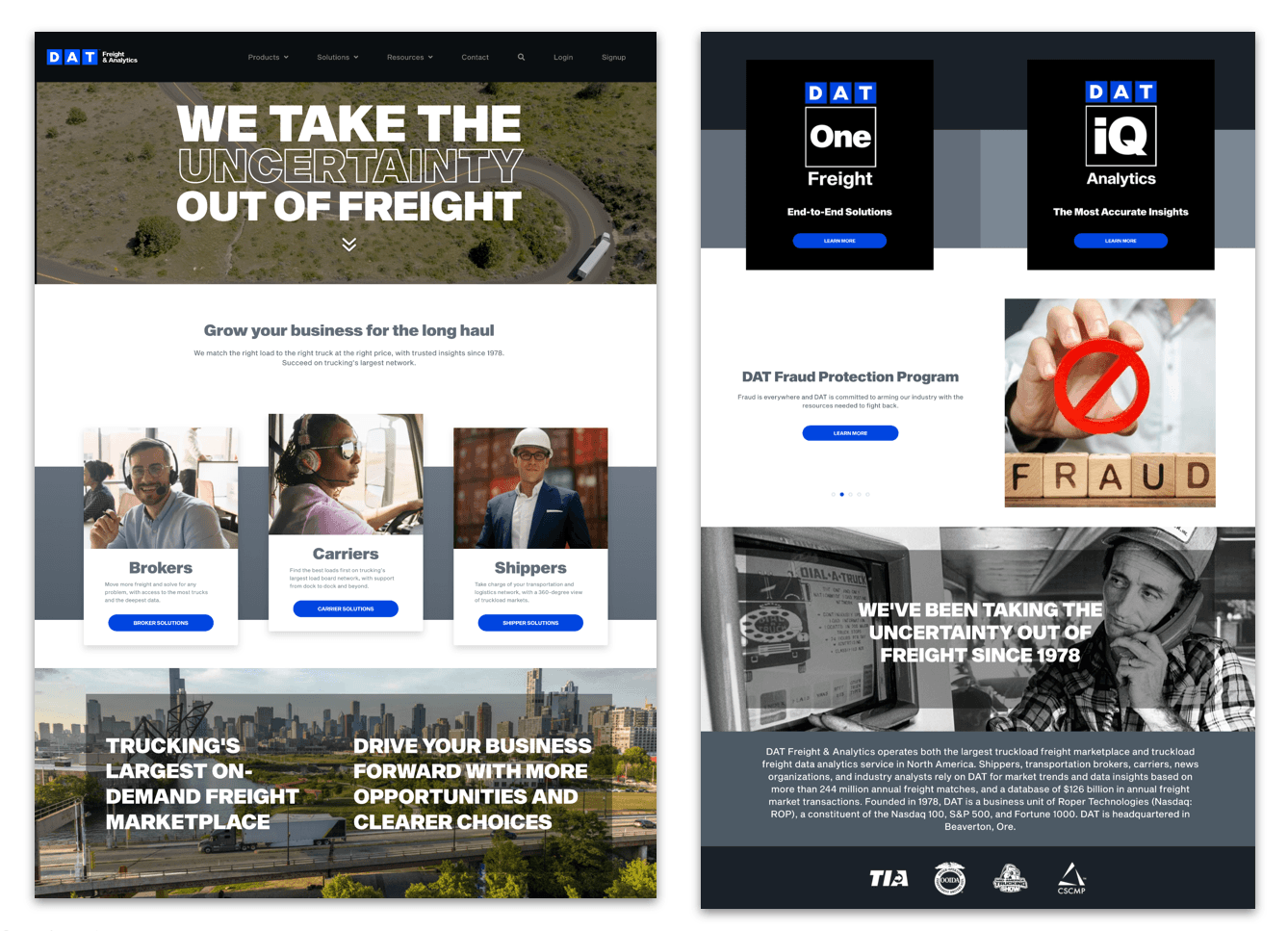
Optimizing the First Fold: A $15k/Mo Design Lift
A holistic refresh of the high-traffic landing page. By shortening headers and prioritizing segment-specific CTAs, we improved engagement across all user categories and boosted annual revenue by $180k.

World of Haiku
Beginner-friendly cybersecurity RPG